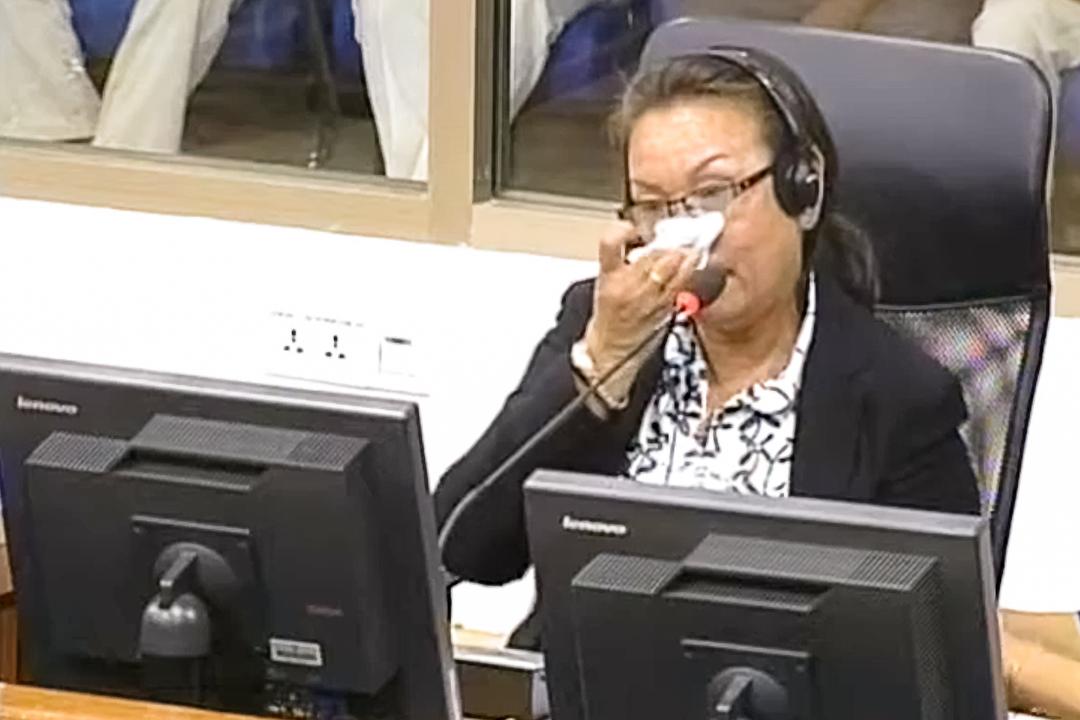
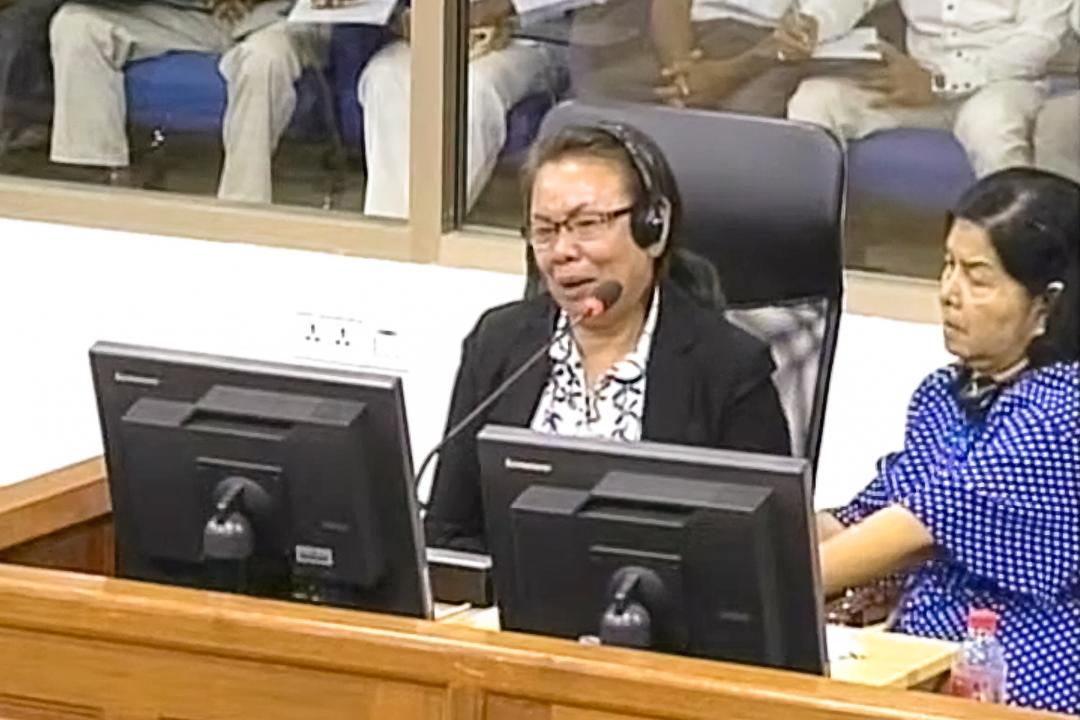
CHAN Sopheap (CHAN Socheat)
Pseudonym: TCCP-7
Cases: Case 002/01
Category: Civil Party
Background and role
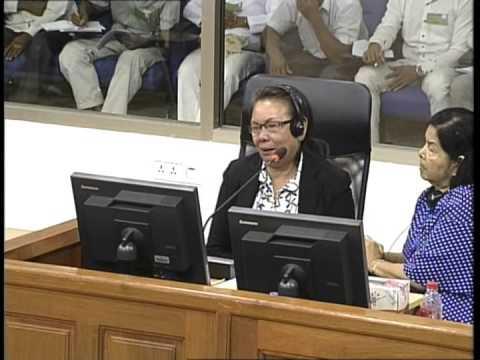
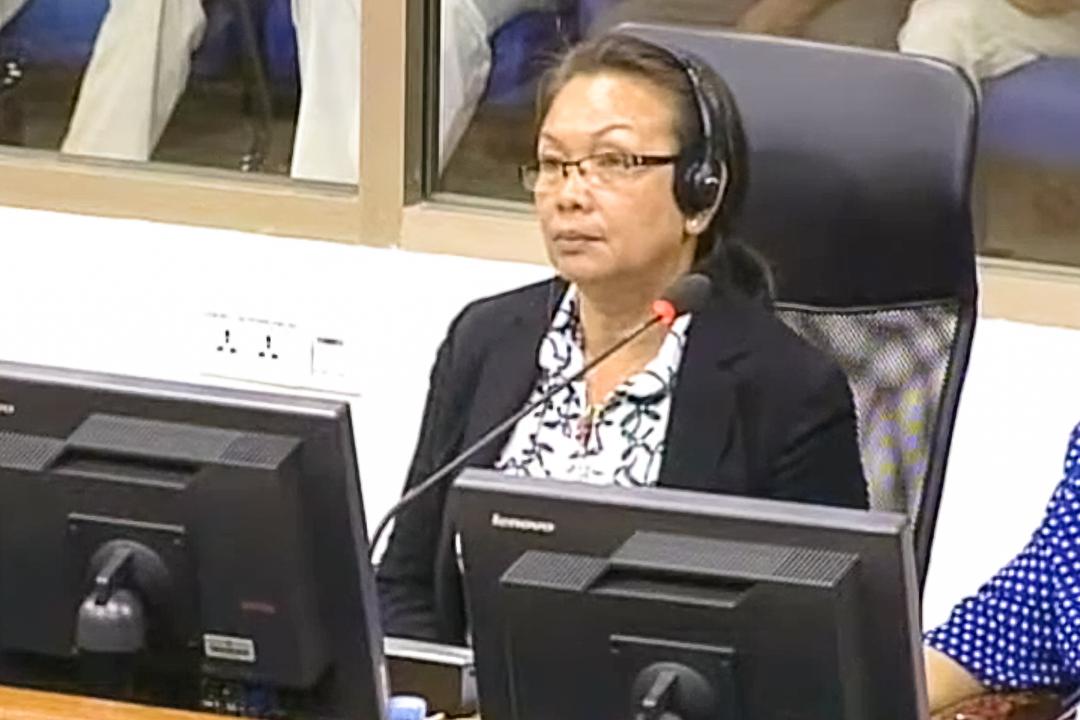
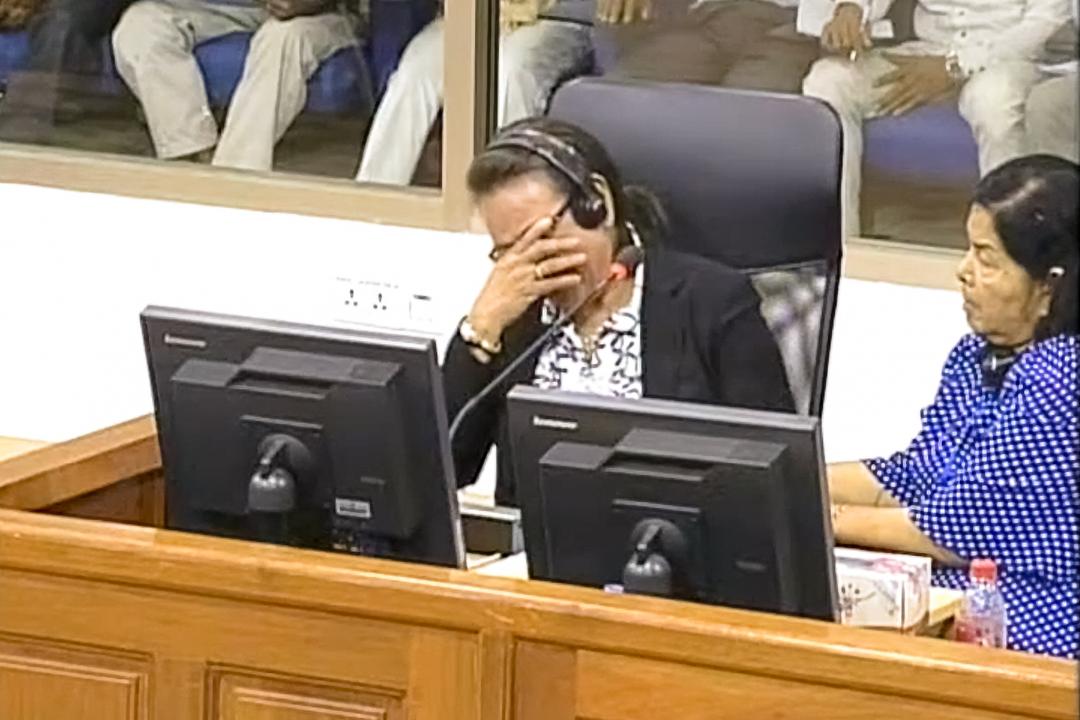
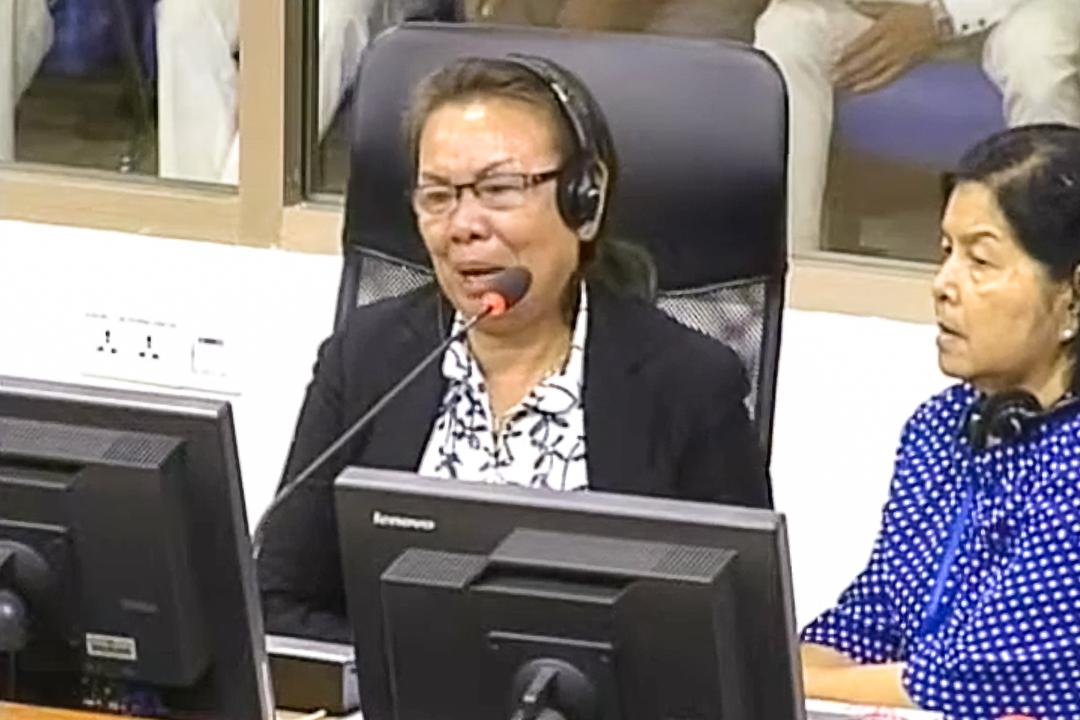
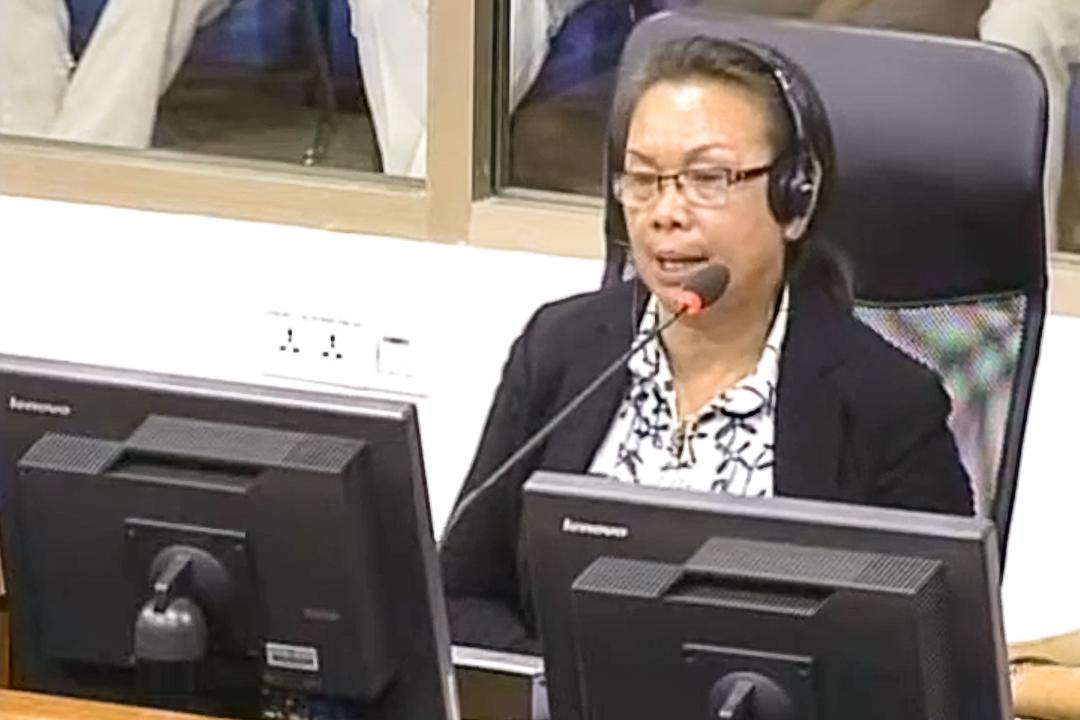
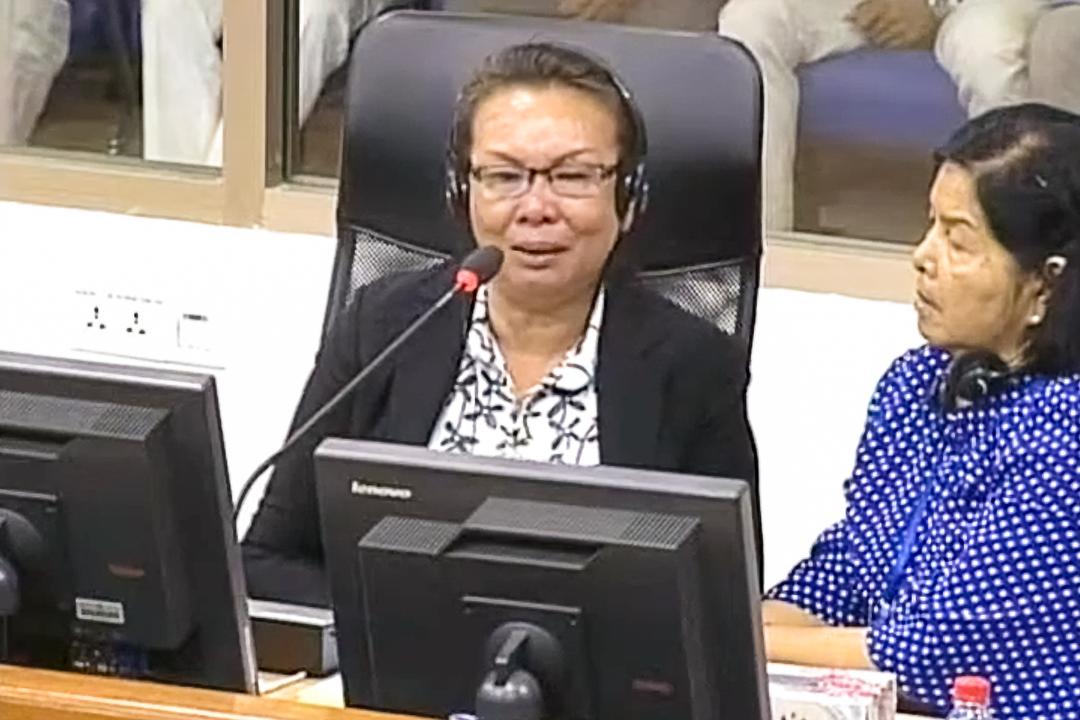
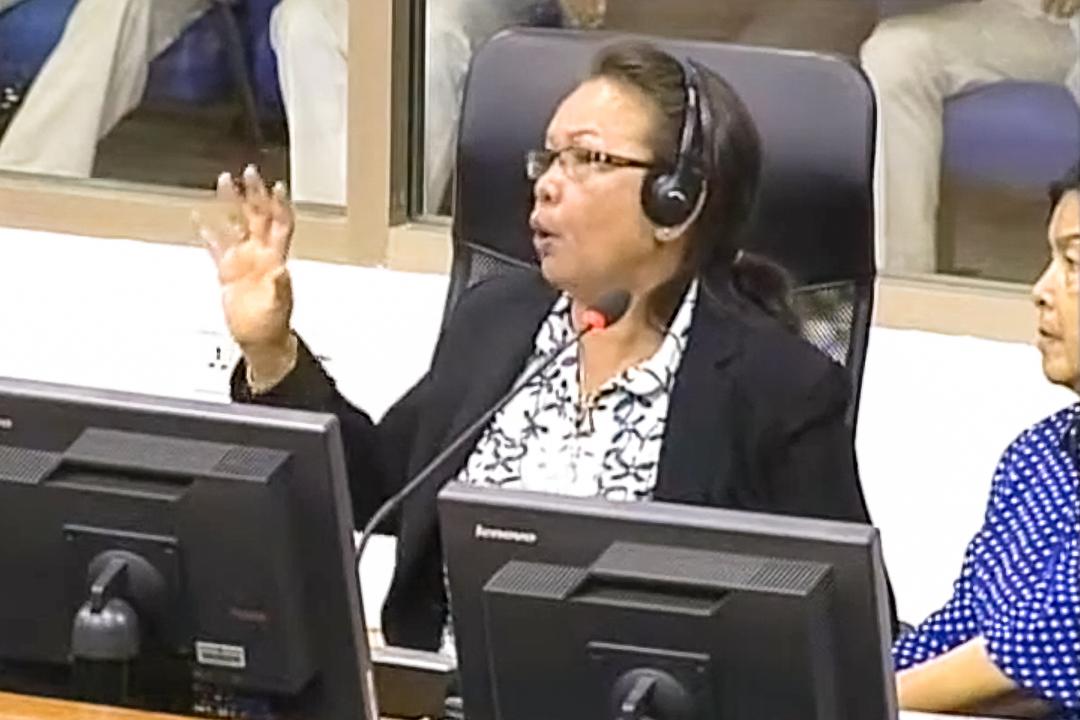
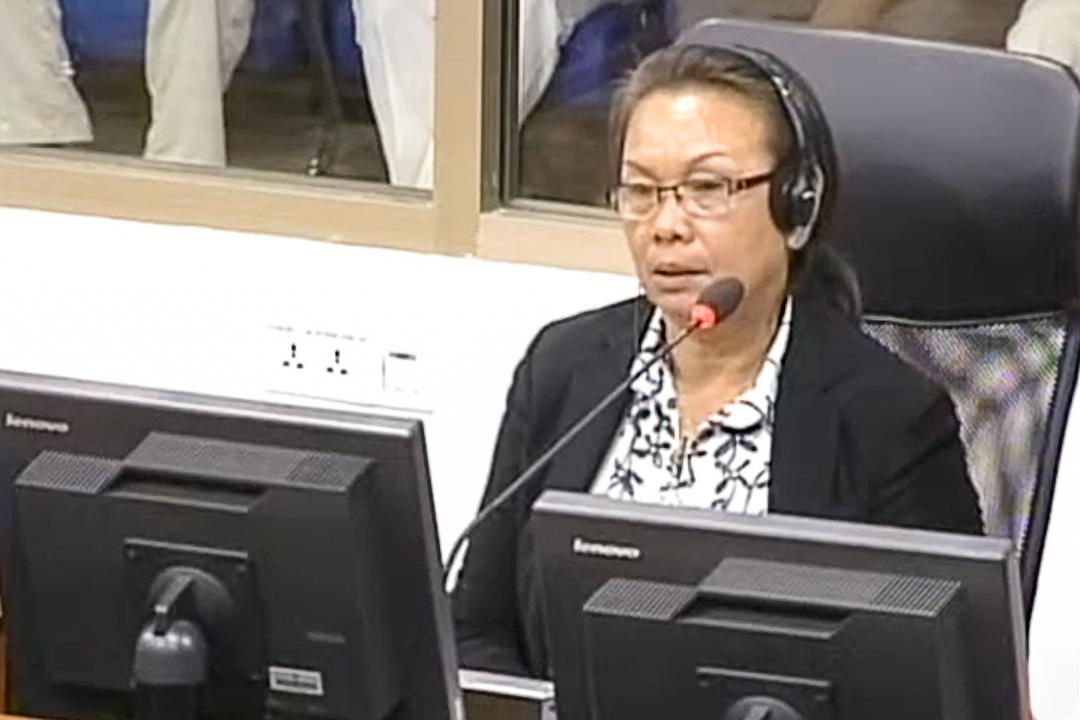
Chan Sopheap alias Chan Socheat, whose family was forced to evacuate Phnom Penh on 17 April 1975, testified in Case 002/01 as a civil party.
1
The Chambers relied on Chan’s testimony in its findings on the conditions of forced transfer and killings.
Evacuation from Phnom Penh
Chan said that her family was forced from her home at gunpoint.
2
She heard Khmer Rouge soldiers claim that the evacuation was temporary,
3
due to an impending American attack,
4
and to “get rid of the enemy.”
5
The evacuation included people carrying their hospital drips.
6
Chan’s younger siblings struggled amid the crowds.
7
She saw people dying along the road.
8
The Trial Chamber relied on all of the above evidence in making findings characterizing the conditions of the evacuation.
9
It also relied on Chan’s testimony to find that many from the city moved to rural areas.
10
However, the Supreme Court Chamber questioned the Trial Chamber’s reliance on two of these claims. It found that Chan’s testimony as to dying people along the roads “contained generalisations” and that it was unclear if the conditions of the evacuation caused deaths or if “people…were exhausted or…fell.”
11
The Supreme Court Chamber also found that Chan’s testimony was one of only a few testimonies relied on by the Trial Chamber to conclude that most moved were urban “new people,”
12
thus concluding that there was insufficient evidence proving this claim.
13
Second wave of movement
Following the initial evacuation, Chan’s family stayed in Kien Svay, where one sibling died from hunger.
14
After six months,
15
she and “hundreds of…families” boarded a boat.
16
Angkar claimed that those who evacuated the city could now return.
17
Others received different explanations.
18
Many were happy, believing that they were returning,
19
although on spotting Phnom Penh from the boat one passenger was shot after shouting “Bravo!”.
20
The Trial Chamber relied on this evidence to characterize conditions of transfer
21
and to support a finding of extermination.
22
However, while the Supreme Court Chamber found that the Trial Chamber’s reliance on Chan’s testimony of a killing of a transferee by Khmer Rouge soldiers to support a reasonable finding of a crime,
23
it was insufficient to demonstrate extermination.
24
The boat stopped in Kampong Chhnang where passengers received only one can of rice per three people.
25
Armed personnel then forced people to board trains,
26
which they shared with these animals.
27
On the journey passengers lacked water, receiving only rice at one stop.
28
Eventually Chan and others were forced to walk to Prey Totueng in Pursat.
29
The cooperative and after
Chan called Prey Totueng “hell.”
30
There, she and others had to clear the jungle and build their own houses.
31
At first having only wild plants to eat that made them sick, she estimated that six or seven family members died in one week.
32
Chan’s work unit was provided only “watery gruel” to eat.
33
The combination of heavy work and little food made her sick.
34
Eating “ruined rice” left family members “emaciated.”
35
“My siblings…could not sleep because of hunger,” she said.
36
One died begging for food.
37
“We starved,” while being treated “like animals.”
38
Eventually, all 15 in her family died under the regime.
39
She stole food to stay alive.
40
She was beaten or threatened with being deemed an enemy if she did not make work quotas.
41
She witnessed co-workers “being killed.”
42
She claimed that she later escaped,
43
and encountered Nuon Chea, who had more to eat.
44
Chan asked the accused why they inflicted such cruelty
45
and demanded an apology.
46
Khieu Samphan said that he was not a leader, but apologized.
47
Nuon Chea said that the Khmer Rouge wanted to “gather…collective force” to prevent invasion and “liberate” Cambodia, and that all “sacrificed” for this.
48
He expressed condolences for those who died.
49
Chan’s testimony contributed to findings supporting lasting convictions for enforced disappearances,
50
murder,
51
and inhumane acts, including forced transfer
52
and attacks on human dignity.
53
Videos